GPT Image 2 for B2B LinkedIn Marketing Platforms: A PostPilot Example
A practical PostPilot-like workflow for generating benchmark cards, campaign graphics, and LinkedIn-ready visuals with GPT Image 2.
B2B social platforms sell a workflow, not a generic dashboard screenshot.
The buyer needs to picture a real use case: campaign planning, executive LinkedIn posts, employee advocacy, approvals, analytics, and the moment the marketing team can connect social activity back to pipeline.
To make that concrete, we used a fictional B2B advocacy platform called PostPilot. It is not a real company, but it borrows the category language that B2B social teams recognize: LinkedIn benchmarks, employee advocacy, campaign calendars, post formats, and social-sourced pipeline.
Example 1: LinkedIn Benchmark Card
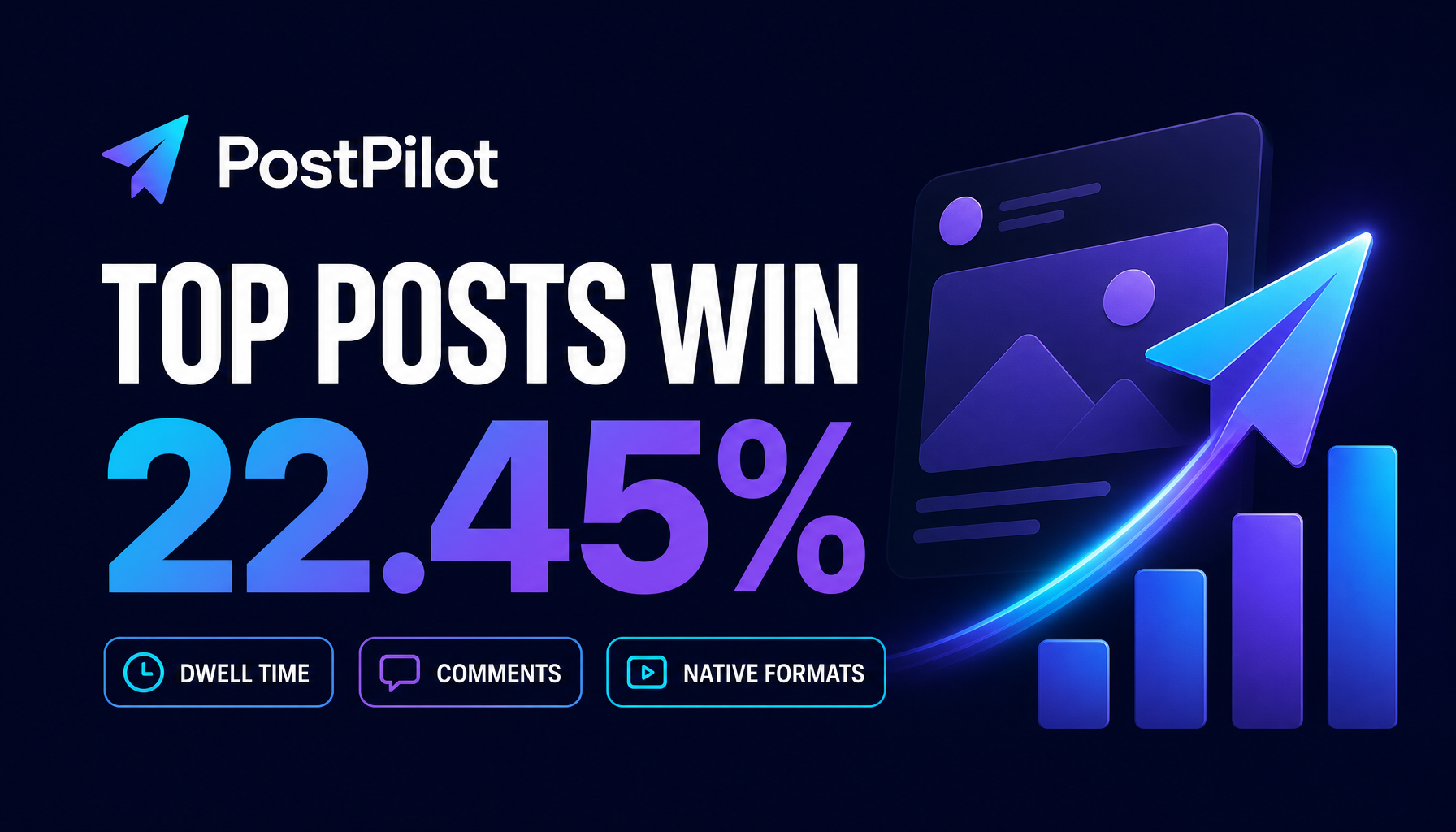
Generated in ImageLayer with General mode, GPT Image 2, X / Twitter (16:9), and the exact prompt below.
Exact ImageLayer setup
- Mode: Image
- Content type: General
- Platform preset: X / Twitter (16:9)
- Model: GPT Image 2
- Apply brand guidelines: Off
B2B LinkedIn benchmark card for fictional social platform PostPilot. 16:9. Dark navy background with violet and cyan accents. Big metric reads exactly "22.45%". Headline reads exactly "TOP POSTS WIN". Three small chips read "DWELL TIME", "COMMENTS", "NATIVE FORMATS". Clean editorial SaaS style, no dashboard UI, no real LinkedIn logo, no extra words, no watermark.Why this works
The prompt is built around a data hook, not a generic product screenshot. The fictional platform’s positioning leans on category-specific ideas: LinkedIn benchmarks, format rotation, dwell time, and pipeline attribution. This visual gives a B2B social team a post they could imagine publishing immediately.
It also gives GPT Image 2 a concrete content structure:
- one large metric
- one short headline
- three small support chips
- dark SaaS canvas
- no real LinkedIn logo
Those constraints make the result feel like a benchmark post, not a dashboard ad.
Example 2: Carousel Cover
Exact ImageLayer setup
- Mode: Image
- Content type: General
- Platform preset: X / Twitter (16:9)
- Model: GPT Image 2
- Apply brand guidelines: Off
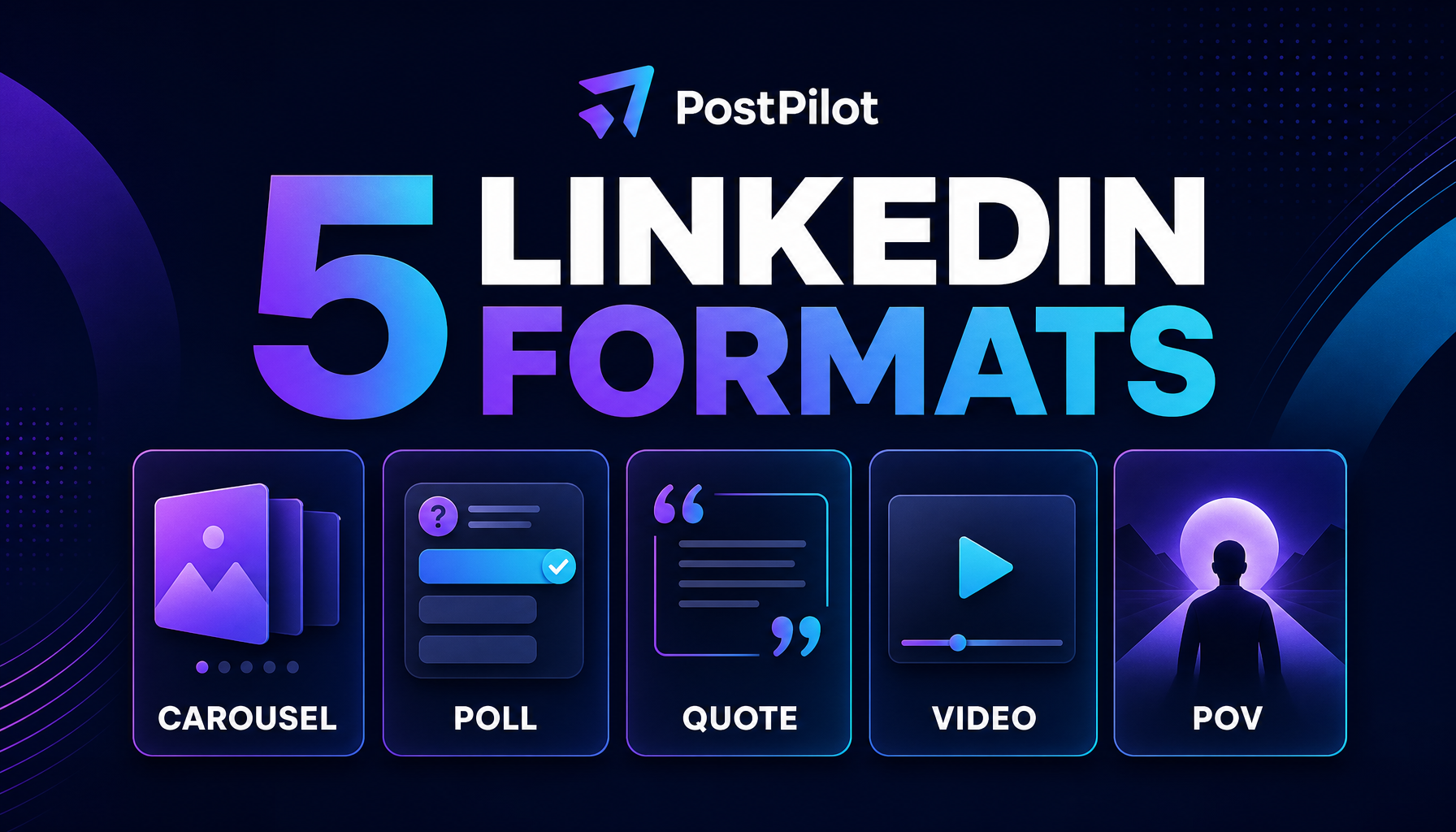
Generated in ImageLayer with General mode, GPT Image 2, X / Twitter (16:9), and the exact prompt below.
B2B LinkedIn carousel cover for fictional social platform PostPilot. 16:9. Dark navy background with violet/cyan accents. Large title reads exactly "5 LINKEDIN FORMATS". Five cards read "CAROUSEL", "POLL", "QUOTE", "VIDEO", "POV". Premium editorial SaaS style, clean grid, no dashboard UI, no real LinkedIn logo, no extra words, no watermark.Example 3: Customer Result Card
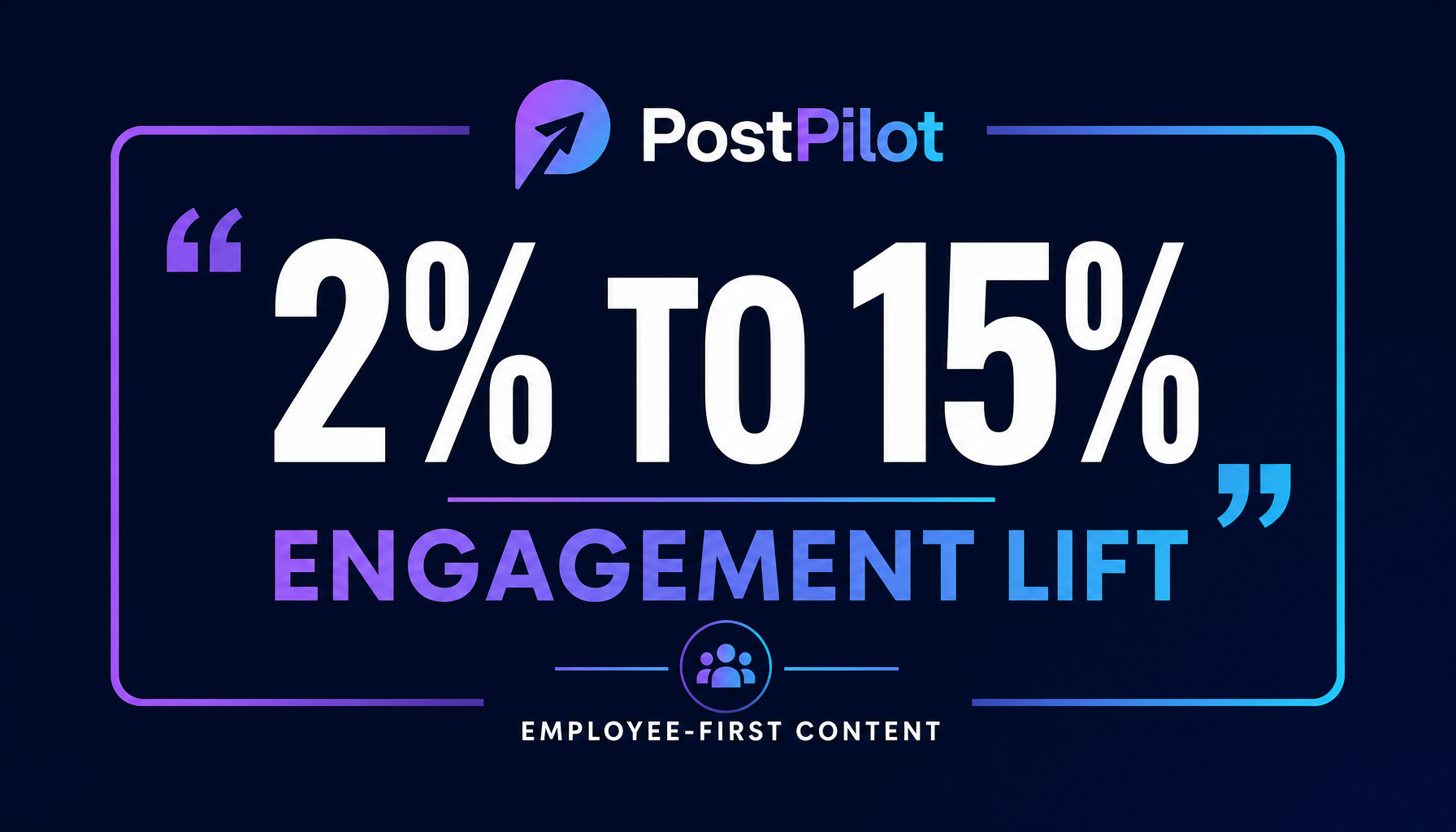
Generated in ImageLayer with General mode, GPT Image 2, X / Twitter (16:9), and the exact prompt below.
Exact ImageLayer setup
- Mode: Image
- Content type: General
- Platform preset: X / Twitter (16:9)
- Model: GPT Image 2
- Apply brand guidelines: Off
B2B customer quote card for fictional social platform PostPilot. 16:9. Dark navy background, violet/cyan accent frame. Large quote reads exactly "2% TO 15%". Headline reads exactly "ENGAGEMENT LIFT". Small attribution reads exactly "EMPLOYEE-FIRST CONTENT". Editorial SaaS style, no dashboard UI, no real LinkedIn logo, no extra words, no watermark.Example 4: Pipeline Attribution Visual Breakdown
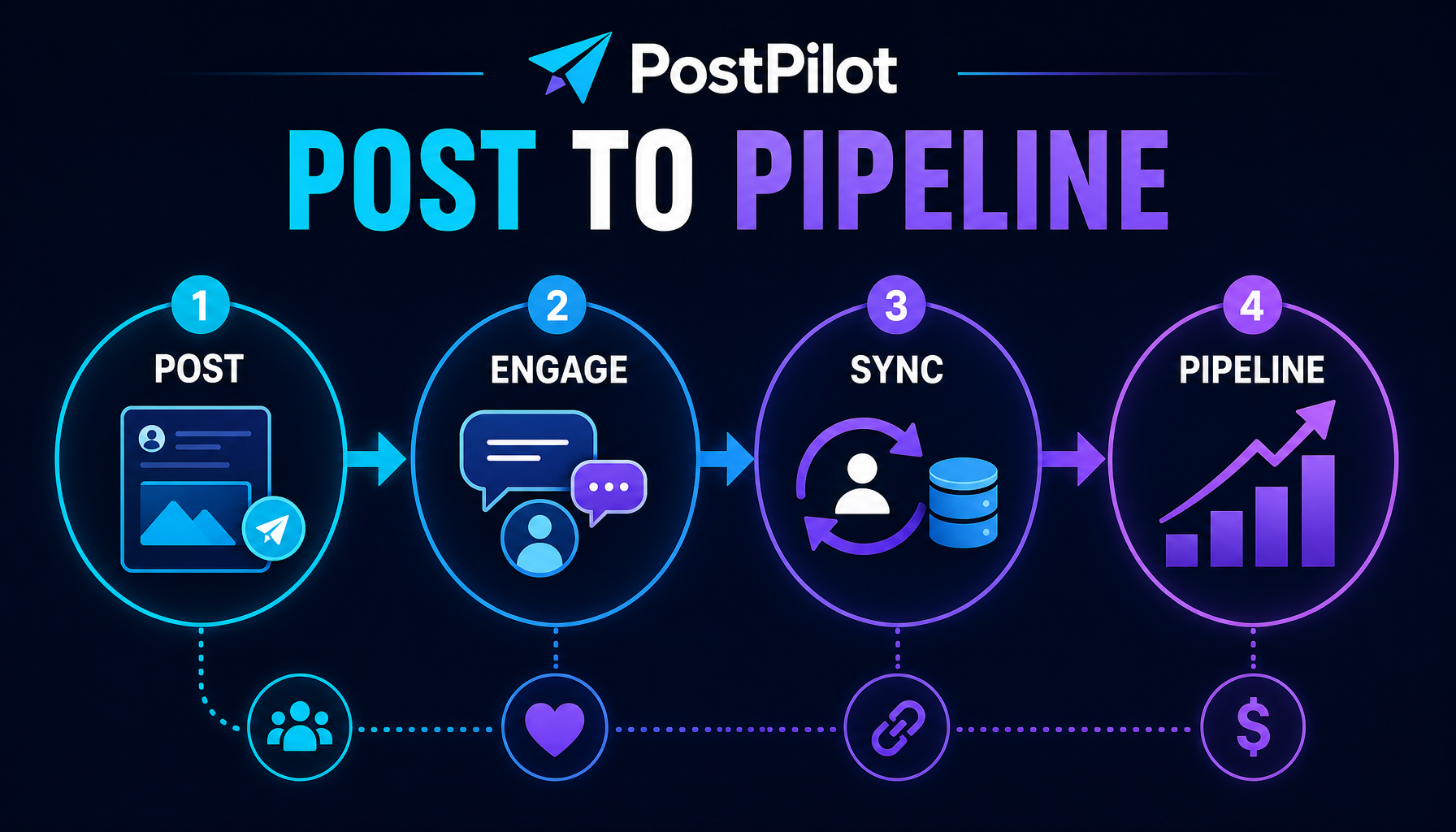
Generated in ImageLayer with General mode, GPT Image 2, X / Twitter (16:9), and the exact prompt below.
Exact ImageLayer setup
- Mode: Image
- Content type: General
- Platform preset: X / Twitter (16:9)
- Model: GPT Image 2
- Apply brand guidelines: Off
B2B social attribution visual breakdown for fictional platform PostPilot. 16:9. Dark navy background with cyan/violet accents. Title reads exactly "POST TO PIPELINE". Four connected stages read "POST", "ENGAGE", "SYNC", "PIPELINE". Use clean icons, arrows, editorial SaaS infographic style, no dashboard UI, no real LinkedIn logo, no extra words, no watermark.How a marketing platform can reuse it
Use the benchmark card when you need a data-led LinkedIn asset:
B2B LinkedIn benchmark card for fictional social platform [BRAND]. 16:9. [BACKGROUND] with [ACCENTS]. Big metric reads exactly "[METRIC]". Headline reads exactly "[HEADLINE]". Three small chips read "[CHIP 1]", "[CHIP 2]", "[CHIP 3]". Clean editorial SaaS style, no dashboard UI, no real platform logos, no extra words, no watermark.Use the carousel cover when you need dwell-time content:
B2B LinkedIn carousel cover for fictional social platform [BRAND]. 16:9. [BACKGROUND] with [ACCENTS]. Large title reads exactly "[TITLE]". Five cards read "[FORMAT 1]", "[FORMAT 2]", "[FORMAT 3]", "[FORMAT 4]", "[FORMAT 5]". Premium editorial SaaS style, clean grid, no dashboard UI, no real platform logos, no extra words, no watermark.Use the quote/result card when you need credibility from a customer story:
B2B customer quote card for fictional social platform [BRAND]. 16:9. [BACKGROUND], [ACCENT] frame. Large quote reads exactly "[RESULT]". Headline reads exactly "[HEADLINE]". Small attribution reads exactly "[SOURCE]". Editorial SaaS style, no dashboard UI, no real platform logos, no extra words, no watermark.Use the visual breakdown when the caption needs to explain a workflow:
B2B social attribution visual breakdown for fictional platform [BRAND]. 16:9. [BACKGROUND] with [ACCENTS]. Title reads exactly "[TITLE]". Four connected stages read "[STEP 1]", "[STEP 2]", "[STEP 3]", "[STEP 4]". Use clean icons, arrows, editorial SaaS infographic style, no dashboard UI, no real platform logos, no extra words, no watermark.Strong B2B social variations:
22.45%:DWELL TIME,COMMENTS,NATIVE FORMATS3X REACH:ADVOCACY,EMPLOYEES,SHARES47X CLICKS:LINKEDIN,ADVOCACY,PIPELINE2% TO 15%:ENGAGEMENT LIFT,EMPLOYEE-FIRST CONTENT
Where this fits in ImageLayer
For B2B social platforms, this is a strong General workflow first. The team can explore positioning and visual language quickly.
Once the patterns stabilize, turn them into content templates:
-
Campaign graphic
- Headline
- Supporting line
- Product metaphor
- Palette / style notes
-
Benchmark card
- Metric
- Headline
- Three supporting chips
- Audience or benchmark source
- Palette / style notes
-
Customer result card
- Result
- Headline
- Attribution
- Brand-safe background
- Avoided platform logos
Use GPT Image 2 when the asset includes exact metric text, short benchmark labels, quote-card copy, carousel covers, or visual breakdowns. Use a cheaper/default image model when the team only needs a moodboard or abstract background.
The takeaway
A PostPilot-like buyer does not need a generic “social media visual” or a fake dashboard. They need to imagine their own customers producing launch graphics, benchmark cards, employee advocacy assets, poll result visuals, and pipeline attribution explainers.
GPT Image 2 works best here when every output is grounded in a real B2B marketing job:
- plan the campaign
- publish the posts
- prove the pipeline impact
That is the story the visual needs to tell.
Keep exploring
- GPT Image 2 Playbook - The broader model workflow and example library.
- Copy-Paste GPT Image 2 Prompts for Social Ads and Posters - More text-in-image prompt patterns.
- Content Type Templates - How to turn these into structured widget fields.